
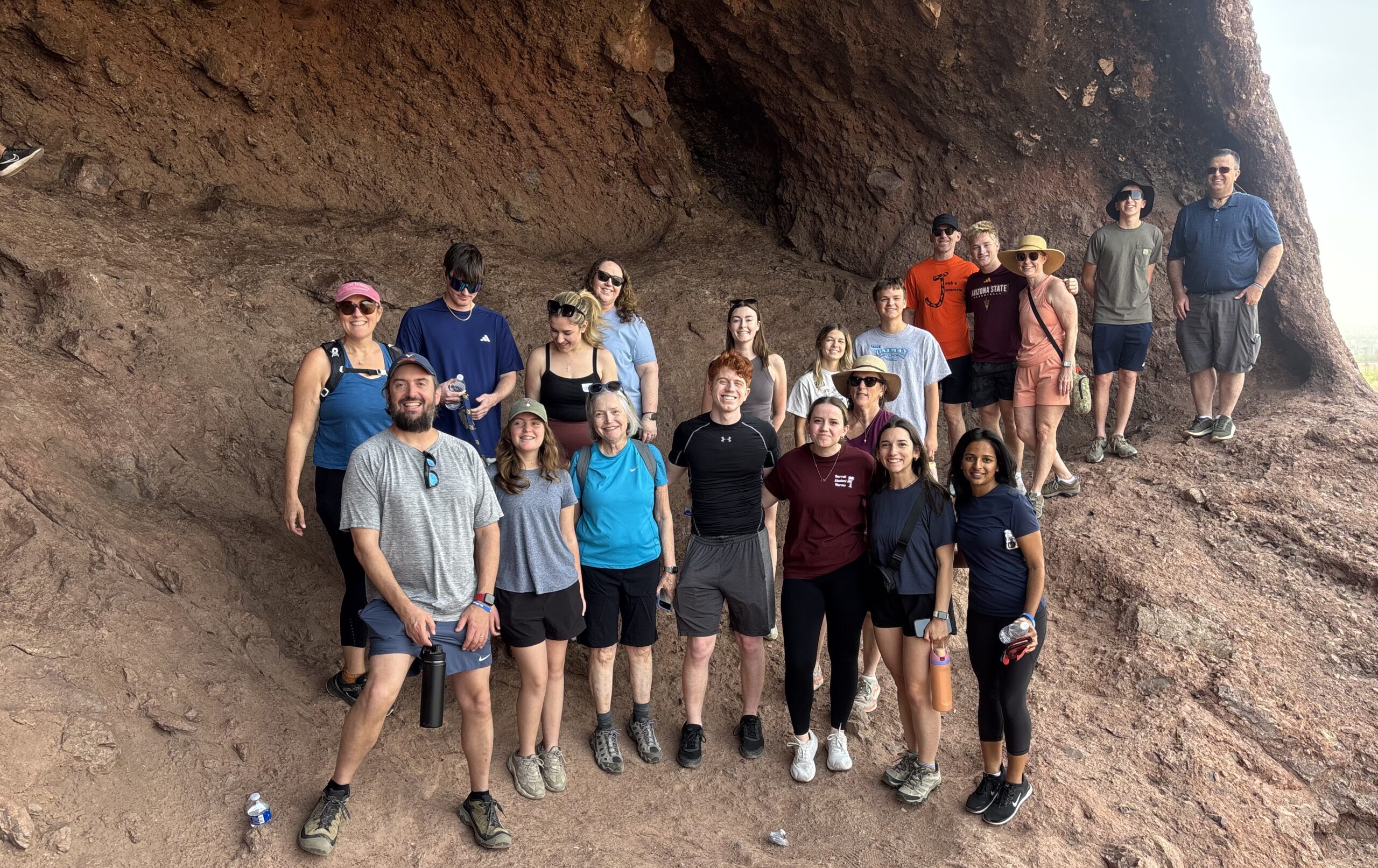
Clinical excellence in healthcare doesn’t begin on the first day of a career, it starts much earlier. At the Phoenix Bioscience Core (PBC), that journey is shaped through hands-on clinical experiences where students move beyond the classroom to care for real patients in diverse, real-world settings.
These early experiences do more than build clinical skills. They empower future healthcare professionals to identify gaps in care, respond to patient needs, and develop innovative solutions that improve health outcomes across Arizona and beyond.
Advancing Type 2 Diabetes Care Through Motivational Interviewing
At Arizona State University’s Edson College of Nursing and Health Innovation, Doctor of Nursing Practice (DNP) student Brinley Terese, BSN, RN, is leading one such effort focused on improving outcomes for patients with type 2 diabetes.
During her clinical work at an Arizona-based clinic, Brinley identified a critical challenge: many patients were not showing improvement in their hemoglobin A1C levels. Through deeper evaluation, she recognized that lifestyle habits and the difficulty of sustaining behavioral change were key barriers to progress.
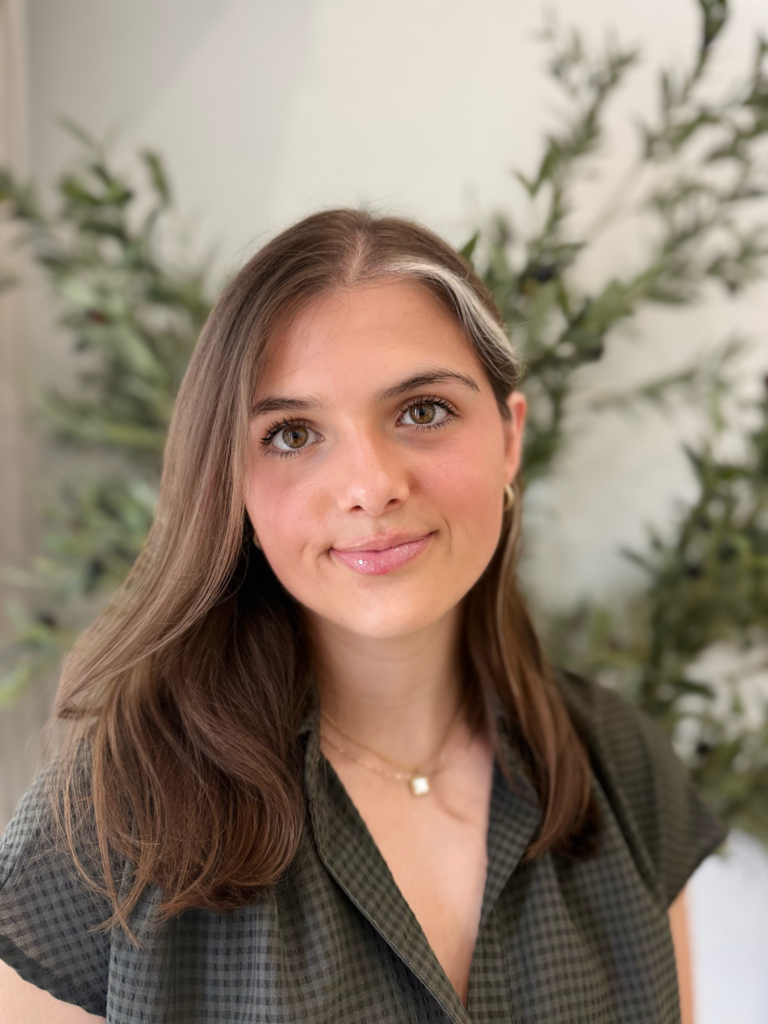
Rather than accepting these limitations, Brinley implemented an evidence-based approach known as motivational interviewing, working alongside her DNP site champion, Shannon King, DNP, FNP-BC.
“In conditions shaped by lifestyle, motivational interviewing can be the turning point between failure and success,” said King. “It strengthens treatment effectiveness while improving patient satisfaction—and most importantly, it empowers patients to see that their own choices drive meaningful change.”
Over a six-week period, Brinley worked directly with patients through three structured sessions, helping them set realistic, self-directed health goals. Using pre- and post-assessments focused on nutrition, physical activity, smoking status, and foot care, she developed personalized care strategies tailored to each individual.
With more than 615,000 adults living with diabetes in Arizona, initiatives like this highlight the critical role of student-led healthcare innovation in addressing chronic disease management.
Brinley emphasized that patient-centered care requires more than clinical knowledge:
“We may understand what’s best from an evidence-based perspective, but patients face real barriers—like limited resources, transportation challenges, or living in food deserts. Listening to patients is what allows us to create goals that are realistic and meaningful.”
One participant, for example, progressed from walking once per week to three times per week, demonstrating how small, sustainable changes can lead to meaningful health improvements.
The Role of Experiential Learning in Shaping Future Clinicians
Beyond patient outcomes, experiences like Brinley’s are foundational in shaping how future clinicians approach care.
Through working with multiple preceptors, she gained exposure to diverse care models and communication styles, ultimately defining her own clinical philosophy.
“One preceptor completely changed how I view patient care,” she shared. “She taught me to slow down, listen, and treat the patient in front of me—not the patient I expected them to be.”
Brinley credits these mentorship experiences as essential to her development and encourages healthcare professionals to consider precepting students:
“Preceptors make a bigger impact than they probably realize. The time they invest shapes how we care for patients for years to come.”
Building Community Awareness Around Type 1 Diabetes
Student impact at PBC extends beyond clinical settings and into the community.
Elyse Denham, a pre-clinical nursing student at ASU’s Edson College, is raising awareness for type 1 diabetes through community engagement. Partnering with Breakthrough T1D, she organized a fundraiser and community hike at Papago Park, bringing together 35 participants and raising more than $3,000 for the organization’s diabetes research and advocacy efforts.
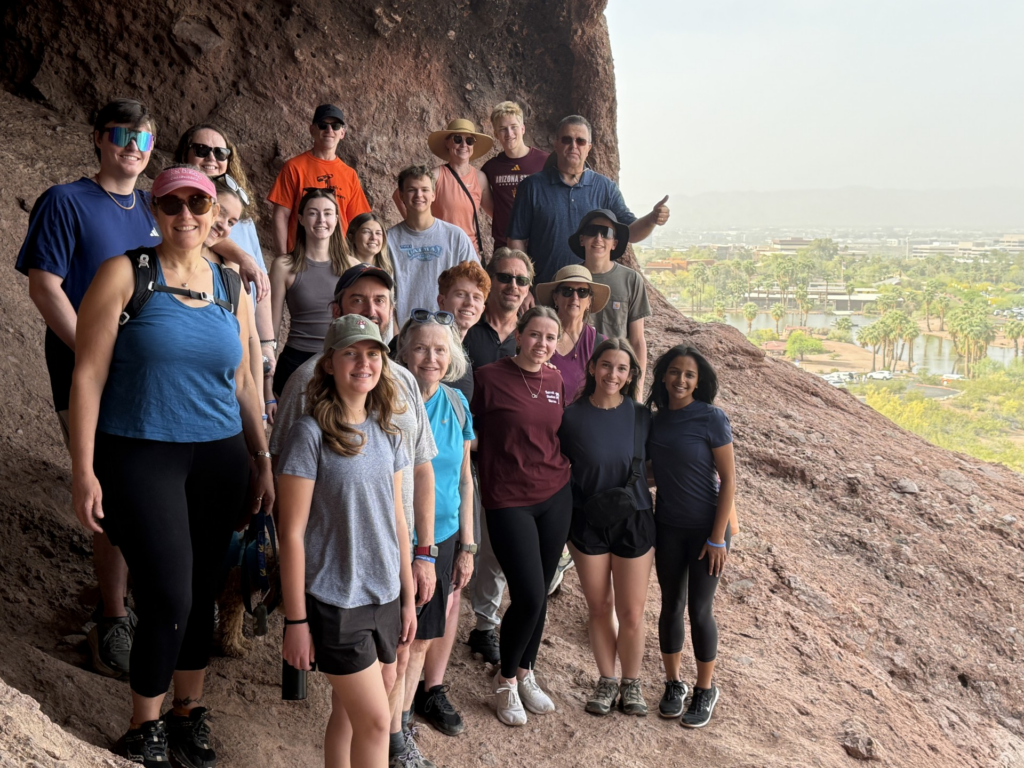
For Elyse, the work is both personal and purposeful. Living with type 1 diabetes herself, she understands the importance of awareness, education, and support systems.
“There is such an impact that can be made—between organizations, participants, and those who are learning about type 1 diabetes for the first time,” she said.
Her efforts also revealed gaps in awareness, as some attendees were unaware of local diabetes resources, underscoring the importance of community-driven health initiatives.
Why Clinical Opportunities Matter for the Future of Healthcare
For students like Brinley and Elyse, access to clinical and community-based opportunities is essential to becoming effective, compassionate healthcare providers.
“Clinicals give us the opportunity to grow, think critically, and navigate real-world challenges,” Elyse shared. “So many students want to make an impact—we just need the opportunity to be in these environments.”
At the Phoenix Bioscience Core, these opportunities are made possible through collaboration between academic institutions, healthcare providers, and community partners—all working together to build the next generation of healthcare leaders.
Investing in the Next Generation of Healthcare Leaders
For many students across Arizona, the impact of healthcare starts in the early moments—shaped by the opportunities they were given and the people who supported them along the way.
By mentoring, precepting, and supporting students, healthcare professionals play a direct role in shaping not only individual careers, but the quality of care patients will receive for years to come.
If you’ve ever considered working with students, now is the time. Your guidance doesn’t just teach clinical skills—it helps define the future of healthcare in Arizona.
If you’re interested in working with students, complete the interest form to become a preceptor or clinical site.
About the Phoenix Bioscience Core
The Phoenix Bioscience Core (PBC) is a 30-acre life sciences innovation district located in downtown Phoenix. It hosts Arizona’s three public research universities—Arizona State University, Northern Arizona University, and the University of Arizona—as well as leading genomics pioneers like the Translational Genomics Research Institute (TGen), part of the City of Hope, and the International Genomics Consortium. The PBC also collaborates with major healthcare systems, including Banner Health, Phoenix Children’s Hospital, Dignity Health, HonorHealth, Phoenix VA, and Valleywise Health, alongside a growing number of emerging life science companies. This unique concentration of research scientists and healthcare professionals fosters unprecedented collaborations, advancing precision medicine from discovery to delivery. To learn more, please visit phoenixbiosciencecore.com
By: Jocelyn Romero | May 7, 2026